Field Notes / Essays / Methods
Dispatches
Notes on methods, evidence quality, scientific memory, replication, and the ways preliminary results acquire more certainty than the experiments themselves contained.
BENCHLINE / Dispatch Series / Updated Monthly
-
Evidence Review September 2026
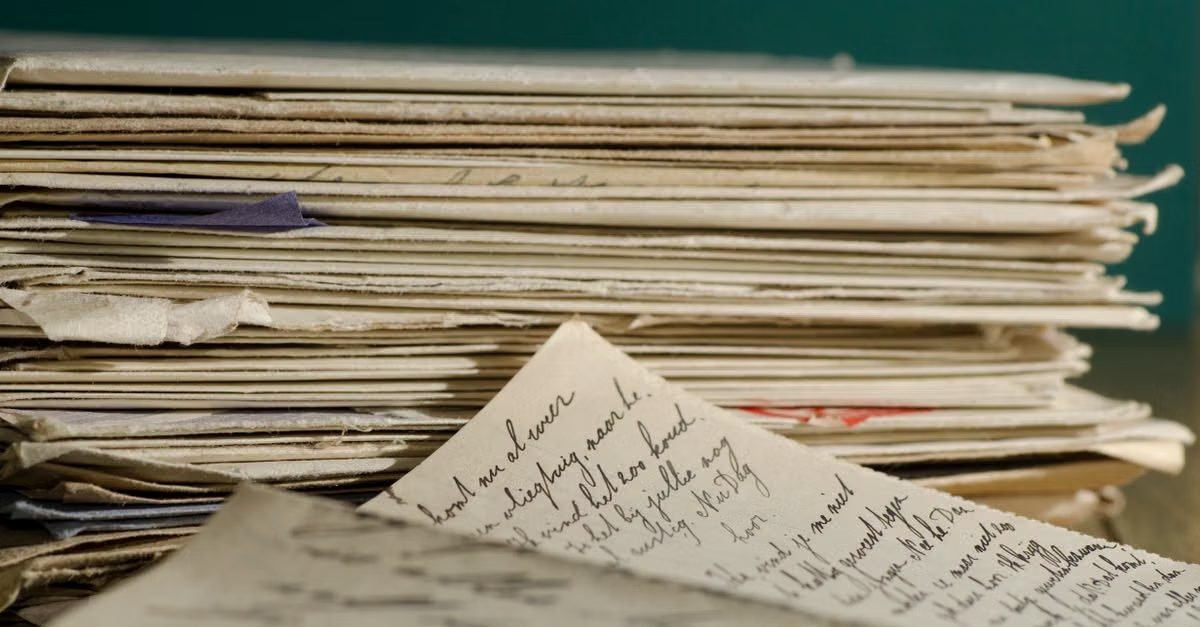
When a Literature Has Only One Family Tree
A finding can appear repeatedly in search results while still tracing back to a narrow experimental lineage. The BPC-157 tendon literature, examined root to branch.
 No. 01
-
Methods September 2026No. 02
What Eight Animals Can Actually Tell Us
Small samples are not automatically worthless, but they narrow what a result can mean. A working note on reading n = 8 without squinting.
-
Evidence Review August 2026No. 03
Citation Is Not Replication
A paper cited two hundred times by authors who never repeated the experiment has been repeated zero times. On the difference between memory and confirmation.
-
Explainer August 2026
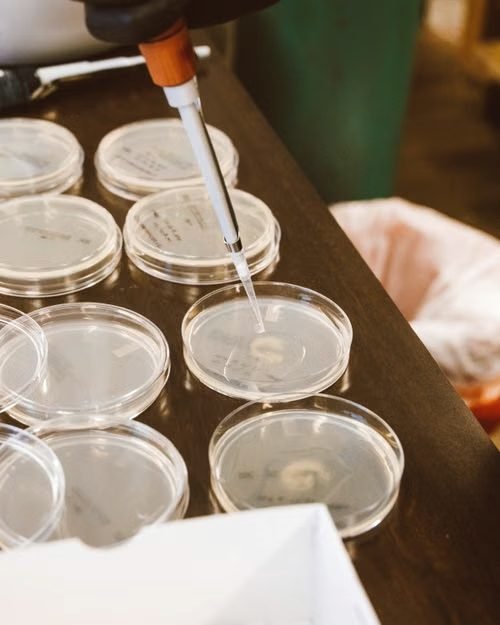
When a Cell-Culture Result Leaves the Dish
A monolayer is not a tissue. What changes — concentration, architecture, neighbors, time — when an in-vitro observation is carried into an animal claim.
 No. 04
-
Column July 2026No. 05
Why BENCHLINE Leaves Dosing and Sourcing Out
A literature review that starts answering purchasing questions has changed jobs. The editorial line, and where exactly it falls.
-
History July 2026
The Long Shadow of One Laboratory
What happens to a research field when nearly every measurement comes from the same bench, and how readers can learn to see the shape of a lineage.
 No. 06
-
Methods June 2026No. 07
What Colitis Models Measure — and What They Do Not
The DSS mouse is a tool with known tolerances. A methods note on histology scores, weight curves, and the limits of chemical colitis as a stand-in.
-
History June 2026No. 08
The Early Literature Around Mitochondrial-Derived Peptides
MOTS-c and Humanin emerged from a young subfield still writing its first chapters. Reading a literature that has not yet had time to be wrong publicly.
-
Explainer May 2026No. 09
Reading Host-Defense Peptide Studies Without Skipping the Model
LL-37 kills bacteria in a dish under specific conditions. The conditions are the story, and they rarely survive the trip into a summary.
Bench Note
Dispatches are working notes, not verdicts. When a later measurement changes an earlier reading, the correction appears on the article, dated, in public.

FIG. 01 — The reading room as editorial method: slow, primary-source, under good light. Photograph: documentary stock archive.